india yoga immersion 2026
general information,
thoughts & advice
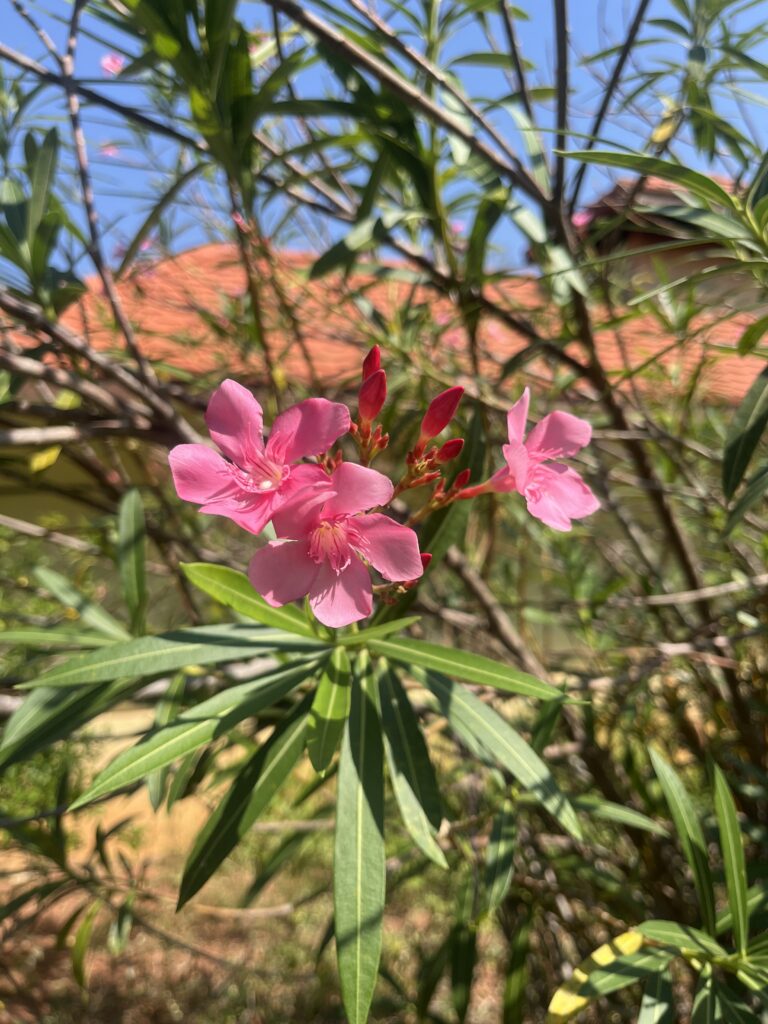
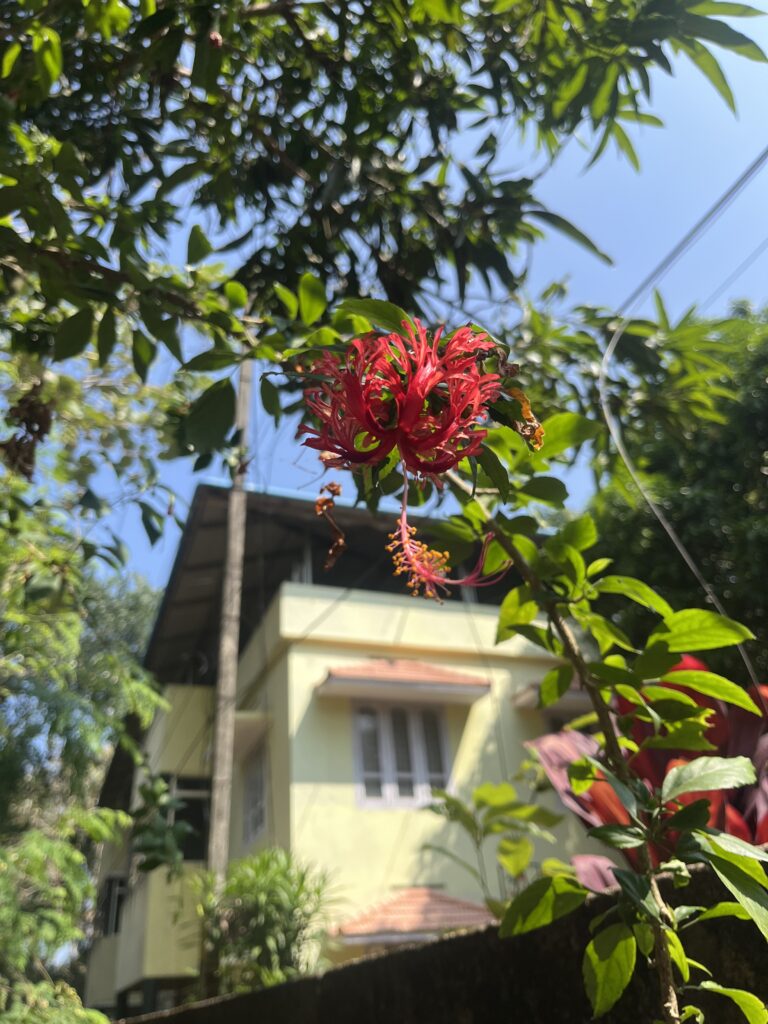
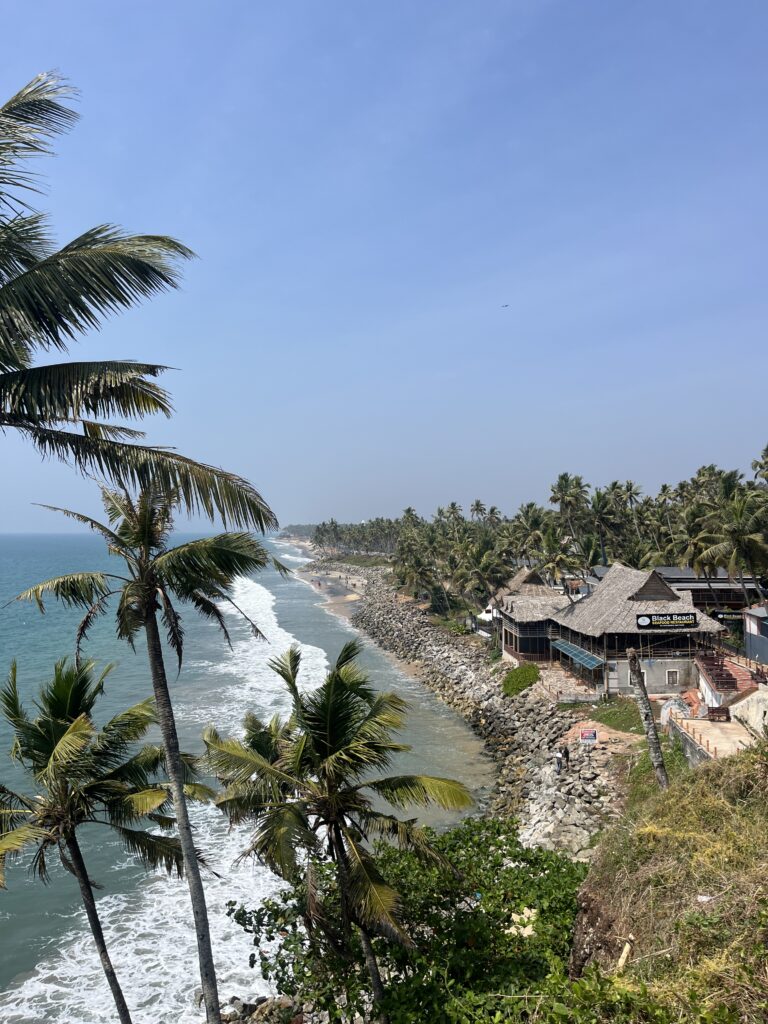
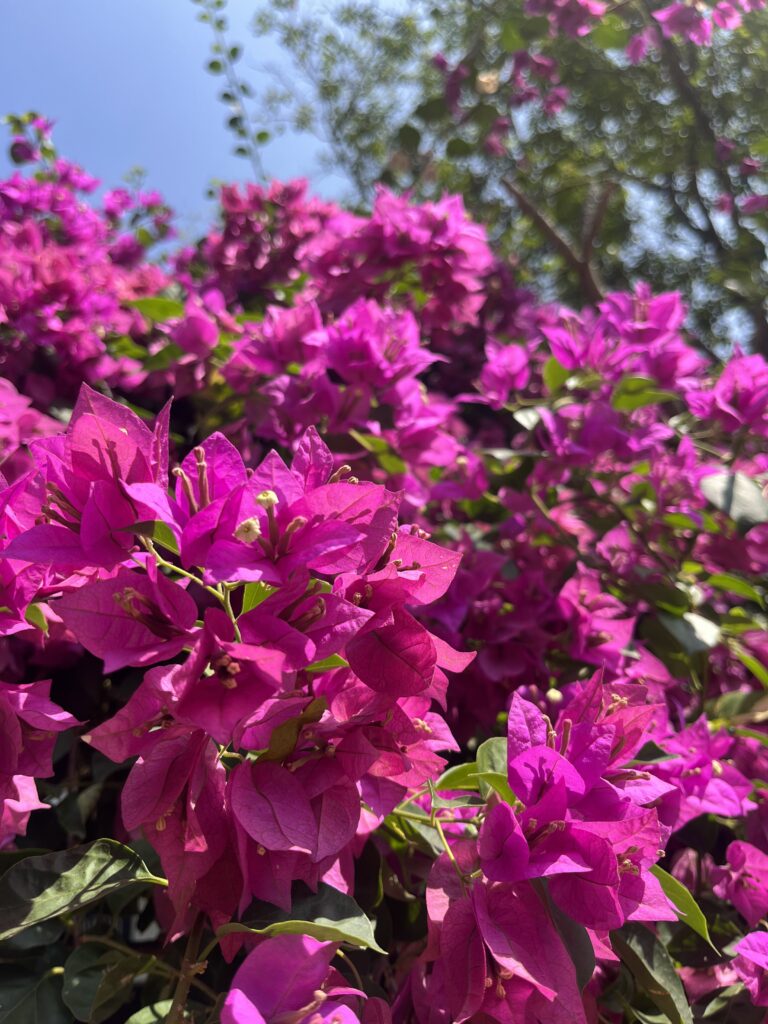
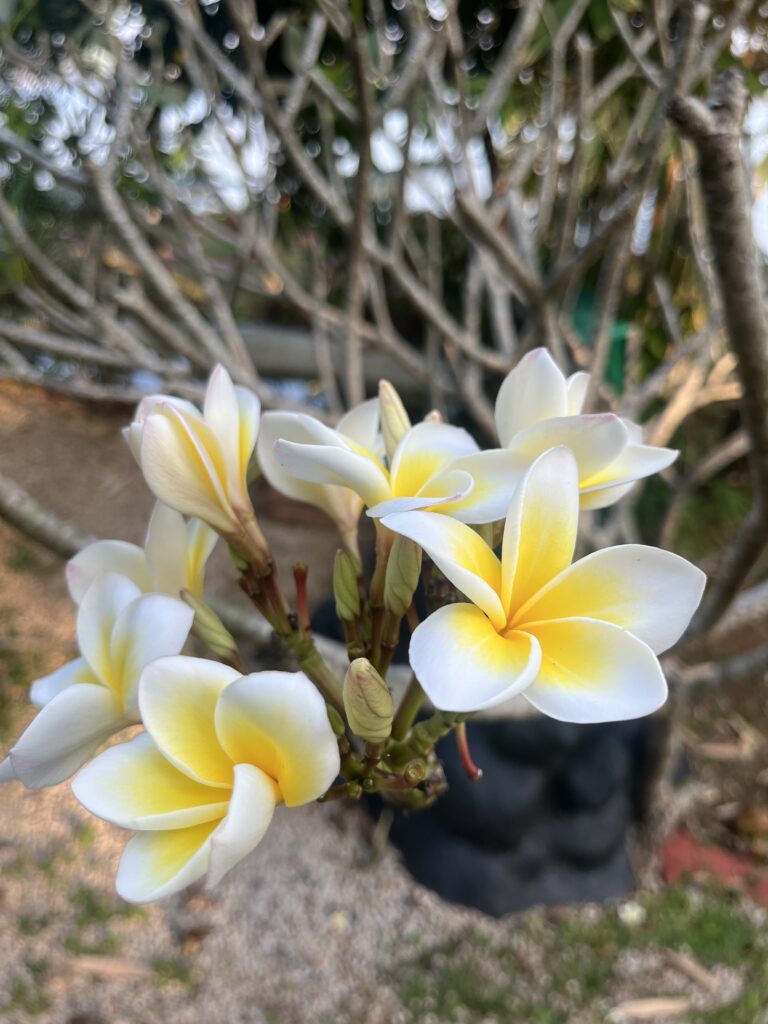
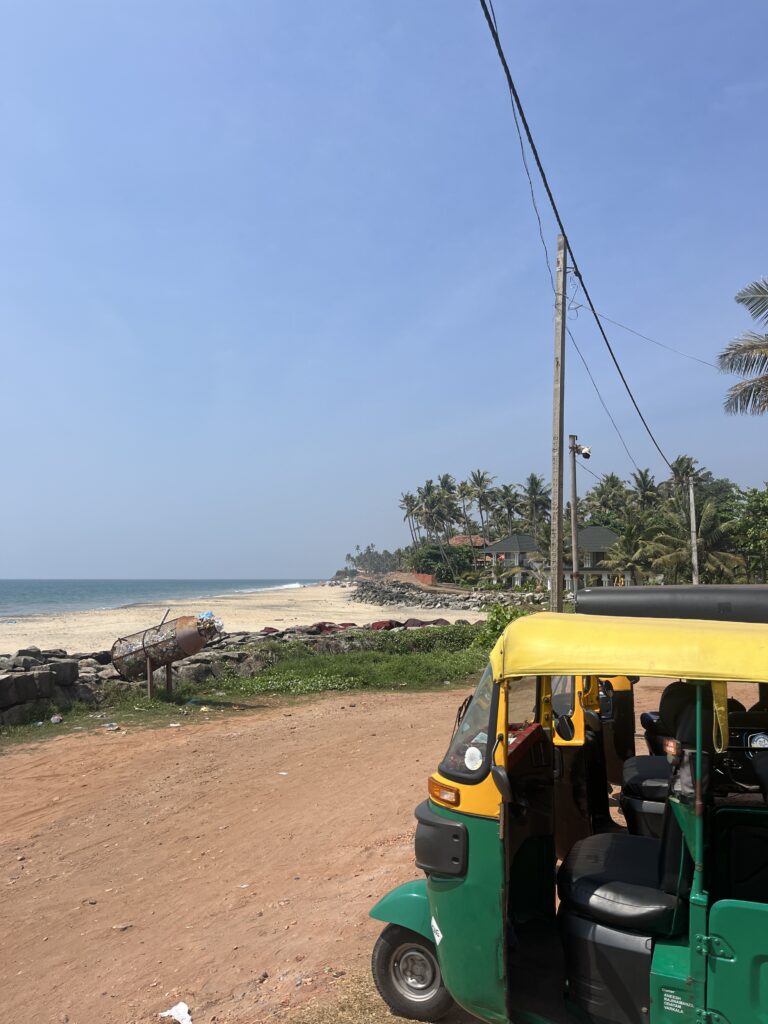
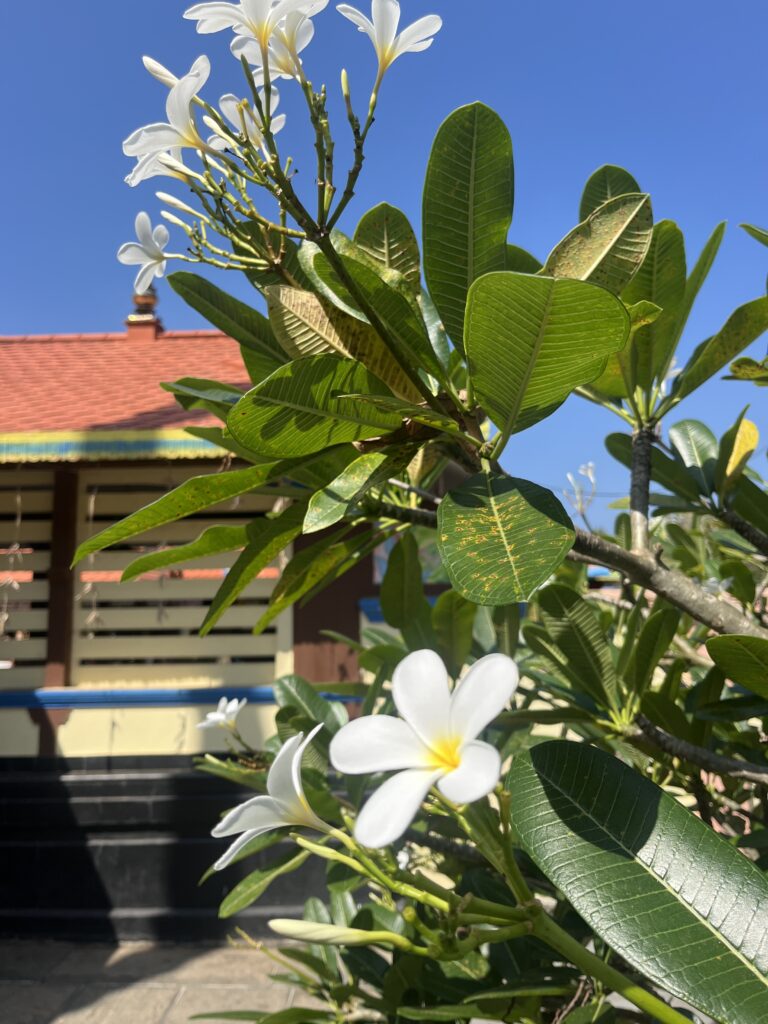
Varkala
Varkala is a place steeped in spiritual history. For many centuries, pilgrims have come here from all over India to bathe in the Indian Ocean, performing ‘bali tharpanam’ – a ritual in which ancestors’ sins are cleansed in the hope that they reach liberation. For even longer, Indian deities have been worshipped at Janardanaswamy Temple, which is over 2,000 years old, and the numerous temples, mosques and churches of the area are an indication of the devotion that people have here. Nowadays, tourists from all over India and the world come here for spiritual pursuits, Ayurvedic treatments, or simply to enjoy the stunning red cliffs, long beaches, and big sunsets over the sea.
India & Expectations
India can be unpredictable and doesn’t always function as you might expect. This is part of its charm as a great teacher; so trying to find and embrace the lessons rather than get frustrated when things don’t run like clockwork can be a good practice.
Health & Food
Three meals will be provided daily at the accommodation, prepared by the staff. Think pineapple, watermelon, and oatmeal for breakfast; rice and vegetables for a light lunch; and a thali-style dinner with different curries or dals, rice, and bread. There’s room for flexibility – we can make requests for things we like and adjust as we go. The food at the villa will be clean and fresh.
It’s not uncommon to experience an upset stomach, especially on a first visit to India. Away from the accommodation, food hygiene varies, so use your judgement. To minimise risk, avoid raw food, ice, and meat in places where you’re unsure of cleanliness. Many tourist-friendly spots in Varkala use filtered water for ice and salad prep, but it’s always worth checking. When it comes to fruit—if you can peel it, you can eat it. And don’t forget the basics: wash your hands before eating.
Certain diseases, such as dengue, typhoid, and hepatitis A, are endemic in India, and the NHS has guidance on recommended vaccinations and health precautions for travel which you can find here: NHS Fit for Travel – India.
Our venue is set in a garden, so it’s good to be prepared for mosquitoes, especially around dinner time. There are ceiling fans in the dining area to help keep them away while we eat, and we’ll also burn incense as a deterrent. Wearing loose, light clothing that covers your arms and legs can help, and you might want to bring insect repellent for extra protection.
Drinking Water
Tap water isn’t safe to drink, so bring a refillable bottle to top up with filtered or treated water, which is widely available in cafes, restaurants, and at our accommodation. Bottled water is also easy to find if needed.
Money & Spending
The local currency is Indian Rupees (INR). £1 ~ ₹115.
Like the UK, India has seen a huge increase in cashless payments, but cash is still very much king. ATMs generally offer the best exchange rate, especially if your bank allows fee-free foreign withdrawals. You can exchange GBP for rupees on the cliff (roughly 5% commission) or at the airport (typically 10%+).
Closest ATMs are in Edava, about 2km from our accommodation, easy tuk-tuk or scooter rides away.
You can spend very little extra if you choose; the aim is to provide everything you need. That said, Ayurvedic treatments and massage are very affordable in Varkala, and you might want to try a cooking class, go out for lunch, or take some retail therapy during free time.
Rough price guide for extras in Varkala on our last visit (February 2025):
- Chai: ₹10–30 (~10p–30p)
- Fresh coconut: ₹60–100 (~60p–£1)
- Elephant trousers: ₹400–600 (~£4–£6)
- Masala dosa: ₹70–200 (~70p–£2)
- Ayurvedic massage: ₹1500–2500+ (~£15–£25+)
- Tuk-tuk to the cliff from Tamarind Villa: ₹200 (<£2)
Clothing & Climate
Average weather in January (from climate-data.org):
Temperature: Low of 21°c, high of 32°c
Rainfall: 18.2mm, 2 rainy days
Hours of sunshine: 9.8 hours
Humidity: 68%
While India is generally conservative in terms of dress, Varkala cliff has a more relaxed, beach-resort feel. It’s common to see non-Indian tourists in shorts and beachwear on the cliff, but expect this to draw attention, particularly away from tourist areas.
For both men and women, loose clothing that covers shoulders and knees is advisable, and essential when visiting temples or spiritual sites. At the villa and during yoga practice, please wear whatever you feel comfortable in.
It will be hot—afternoon sessions especially will get sweaty and sticky.
It’s common to remove shoes before entering homes, temples, shops, and shalas, including your room at the villa. Footwear that’s easy to slip on and off (sandals, Crocs, etc.) is ideal.
Visa
UK nationals require a tourist visa to visit India, which is available as an eVisa, done entirely online. The 30 day eVisa costs $25 (US Dollars) and needs to be applied for 4-30 days before travel. The process is simple enough but isn’t without its quirks; I can help you navigate this when the time comes if needed. You’ll need a passport valid for at least another 6 months with 2 blank pages.
Insurance
Please ensure you have travel insurance that covers you for yoga!
Yoga Mats & Props
If your luggage allows, I strongly recommend bringing your own yoga mat. If you don’t have a good travel mat, it’s worth investing in one!
Mats will be provided at the villa, but they won’t be the high quality you’d find in UK studios. A yoga towel is also a good idea for extra grip when things get sweaty. Other props will be provided.
Recommended reading
These are some books that I’ve really enjoyed that don’t show up on a lot of yoga reading lists:
How Yoga Works by Geshe Michael Roach.
An entertaining story which unpacks Patanjali’s Yoga Sutras in an accessible way.
Apprenticed to a Himalayan Master by Sri M.
This book reveals the spiritual journey of a young lad from Kerala, who by his sincerity and dedication evolved into a living yogi.
The God of Small Things by Arundati Roy.
A story about the childhood experiences of fraternal twins whose lives are destroyed by the “Love Laws” prevalent in the 1960s Kerala, India.
The Journey Home by Radhanath Swami.
The story of one man’s journey from his youth in suburban Chicago to an adult in spiritual India and a world of mystics, yogis, and gurus.
Breath: The New Science of a Lost Art by James Nestor.
An engaging journalistic review of the science and the stories around the art of breathing.